

Key Differences Between Commercial Excess Liability And Umbrella Insurance Policies
Coverage Insights - Key Differences Between Commercial Excess Liability and Umbrella Insurance Policies. Umbrella and excess liability insurance are often used interchangeably, but they aren’t the same. Learn how each one works with your primary policies and the key difference between them.
Managing Volunteers In Your Organization
Nonprofit Risk Insights - Managing Volunteers in Your Organization. Volunteers power nonprofit work, especially during the holidays. Learn the types of volunteer liability your organization faces and how training, management and supervision can protect your mission, your volunteers and the people you serve.
Common Health Plan Compliance Mistakes To Avoid
Compliance Overview - Common Health Plan Compliance Mistakes to Avoid. Sponsoring a group health plan comes with more compliance requirements than most employers expect. From plan documents and Section 125 plans to Form 5500 filings and required notices, here are the common mistakes to watch for.
Subcontractor Default And Prequalification Considerations
Construction Risk Insights - Subcontractor Default and Prequalification Considerations. Hiring a subcontractor? Before awarding work, look at the 4 Cs: character, capacity, capital and coverage. Here’s how prequalification, ongoing monitoring and strong contract provisions help keep subcontractor default from derailing a project.

Construction Risk Insights - The Importance of Fall Rescue Plans
Falls remain one of the most serious hazards on a construction site. A written fall protection plan helps your team identify risks, establish safety procedures and know exactly how to respond before work begins.
Your plan should address:
Fall hazards specific to each jobsite
Proper equipment and inspection procedures
Employee training and responsibilities
Rescue and emergency response protocols
Ongoing documentation and plan updates

Risk Insight - Registering for a USDOT Number
Registering for a USDOT Number
Employers are required to register their commercial motor vehicles (CMV) with the Federal Motor Carrier Safety Administration (FMCSA) to obtain a United States Department of Transportation (USDOT) number. Vehicles that must register for a USDOT number are those used in interstate commerce and fall into one of the categories below

Five Strategies for Reducing Workers Comp Costs
5 STRATEGIES FOR REDUCING WORKERS COMP COSTS. Organizations that see long-term results focus on strong safety programs, employee training, accident investigations, and continuous improvement.
5 Risks of Hiring an Uninsured Contractor
Construction Risk Insights - 5 Risks of Hiring an Uninsured Contractor. Project owners or general contractors must carefully vet contractors to ensure jobsite safety and financial security. A critical factor in this selection process is verifying that contractors carry adequate insurance. Hiring uninsured contractors can expose a project to significant risks, including safety hazards, liability issues and potential financial losses.

2026 Cyber Insurance Market Outlook
Cyber threats aren't just a concern for large corporations. Businesses of all sizes face risks ranging from phishing attacks and ransomware to data breaches and system outages.
The right cyber liability coverage can help protect your business from the financial and operational impact of a cyber event.
Download our free Cyber Liability Guide to learn more about today's cyber risks and how to better protect your organization.

Alabama Workers’ Compensation – Employer Responsibilities
Workers' compensation compliance is about more than carrying coverage. It's about understanding your responsibilities as an employer and having the right processes in place when workplace injuries occur.
From coverage requirements and injury reporting to recordkeeping and employee benefits, Alabama employers face a number of obligations that can impact both their workforce and their bottom line.
Download our free Alabama Workers' Compensation Employer Responsibilities Guide to learn what your business needs to know.

Recruiting and Retaining Gen Z
Generation Z is rapidly becoming one of the largest segments of the workforce, and employers who understand what motivates this generation will have a competitive advantage in attracting and retaining top talent.
From workplace culture and career development to communication preferences and benefits expectations, Gen Z is reshaping the future of work.
Download our free Gen Z Workforce Toolkit to learn practical strategies for recruiting, engaging, and retaining the next generation of employees.

5 Tips to Maximize Your Benefits This Spring
Spring is the perfect time to refresh more than your home. It’s also a great time to review your benefits.
From checking your deductible and out-of-pocket maximum to scheduling preventive care, reviewing dental and vision coverage, and checking your HSA or FSA balance, a quick benefits check-in can help you get more value from your coverage all year long.
Have questions about your benefits? Reach out to your HR team or benefits administrator for guidance.
Read the full article to learn 5 tips for maximizing your benefits this spring.
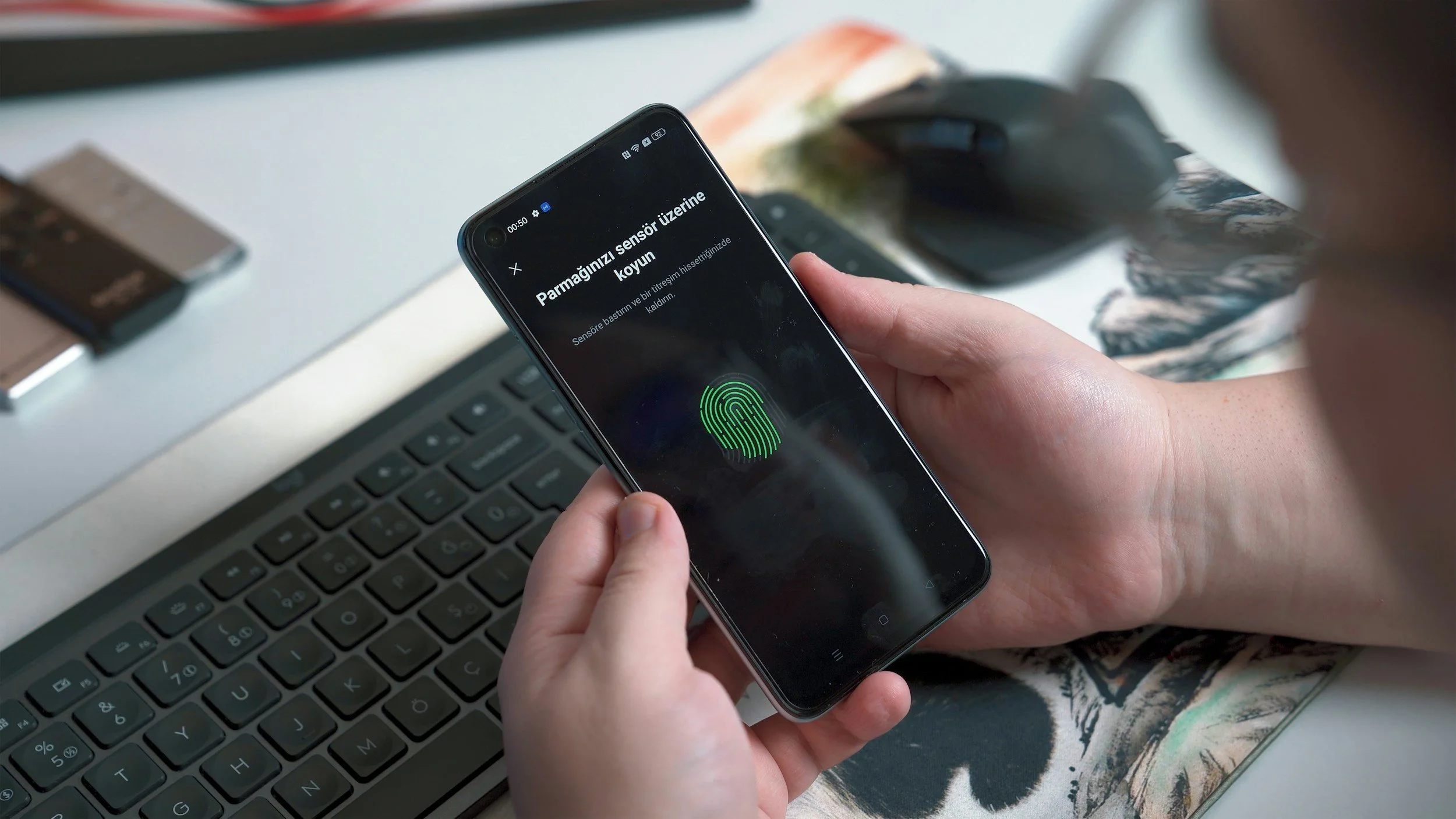
Why Multifactor Authentication Matters
Multifactor authentication, or MFA, adds an extra layer of security by requiring another form of verification before access is granted. That extra step can help protect employees, sensitive information, and business systems from unauthorized access.
With stolen credentials remaining a major cybersecurity threat, MFA is one of the simplest ways to strengthen your defense.
Read the full article to learn why MFA matters and how it can help protect your workplace accounts.

Insurance Considerations for Financial Planning Firms
Insurance Considerations for Financial Planning Firms. Financial planning firms consist of licensed professionals who offer guidance on investments, estate planning, mortgages, insurance coverage, taxes and retirement funding to help clients better manage their finances. These firms may specialize in certain types of financial planning, such as risk management, or provide services spanning several categories.

Employee Benefits for Small Businesses
Offering employee benefits as a small business can feel overwhelming, but the right package can help you compete for talent, boost retention and support a healthier, more productive team.
This introduction to our Employee Benefits for Small Businesses toolkit explains why benefits matter and how smaller employers can use them to stand out in the job market.

Benefits of D&O Insurance for Nonprofits
Nonprofit board members can be held personally liable for decisions they make on behalf of their organization, even when acting in good faith. Directors and officers (D&O) insurance helps protect both leaders and the organization they serve, from legal cost reimbursement to entity coverage and protection beyond indemnification.

Insurance Considerations for restaurant owners
Running a restaurant means managing a lot at once: a commercial kitchen, a busy team, guests, and the systems that keep orders and payments moving. Each one carries its own risks.
Equipment breakdowns, kitchen injuries, foodborne illness, liquor liability, and cyber threats can all affect your business. Your coverage should reflect how your restaurant actually runs.

Nonprofit Risk Insights
Financial oversight is one of the most important — and most overlooked — responsibilities a nonprofit board carries.
An audit committee gives that oversight structure: reviewing financial statements, working with external auditors, evaluating internal controls, and reporting back to the full board. Done well, it builds trust with donors and grantors and helps catch issues early.

Commercial Auto Insurance
If your business has vehicles on the road — a service van, a delivery fleet, or even just a few employees driving for work — commercial auto insurance works differently than a personal policy.
It's built around how those vehicles are actually used: who's driving, what's being hauled, and how much exposure your business carries if an accident happens on the job.

Don’t Be a Target
Most cyberattacks on small and midsize businesses aren't sophisticated — they exploit ordinary gaps.
Here are five signs worth a second look: where your data lives, how recently your team was trained on phishing, how much access vendors have, whether you have a tested incident response plan, and whether your coverage reflects how your business actually operates today.